
THEBUSINESSBYTES
BUREAU
BHUBANESWAR,
SEPTEMBER 29, 2026
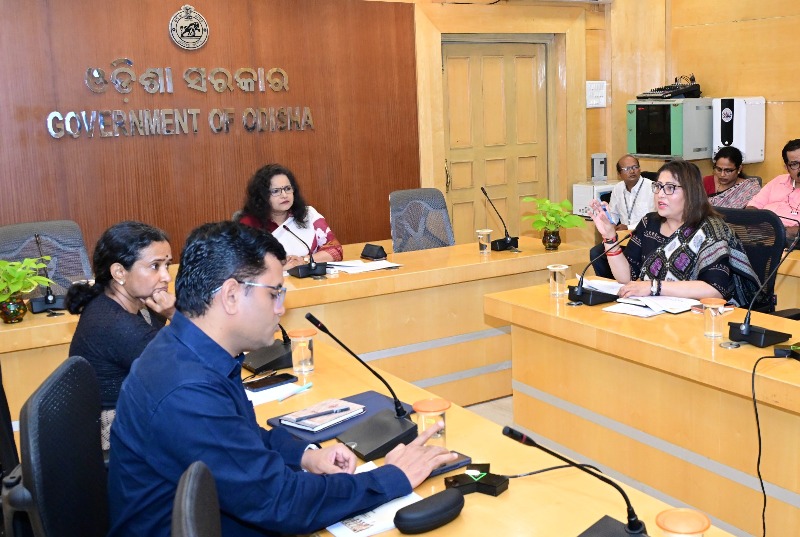
Chief Secretary Anu
Garg on Tuesday called for a stronger “Data to Action – Action to Results”
approach to accelerate social development in Odisha, urging officials to make
greater use of technology, strengthen field-level monitoring and replicate
successful models across districts.
Garg made the
observations while chairing the ‘PRAYAS’ review meeting here, which assessed
the progress, outcomes and future strategies of the Health & Family
Welfare, Women & Child Development, and School & Mass Education
departments.
Senior officials and
departmental secretaries presented data-driven assessments of their respective
sectors, while District Collectors joined the meeting virtually and shared
district-level progress as well as successful grassroots interventions.
Emphasising
outcome-oriented governance, Garg directed officials to institutionalise
regular monitoring of district-level programmes and undertake more frequent
field inspections to assess whether government initiatives were translating
into tangible benefits for citizens.
She also called for
identifying successful interventions in high-performing districts and adapting
them in other regions, while stressing closer coordination between district
administrations and concerned departments for better delivery of social welfare
programmes.
The Health and Family
Welfare Department, during the review, reported continued improvement in maternal
and infant care, attributing the progress to enhanced prenatal monitoring,
early identification of high-risk pregnancies, improved referral mechanisms and
specialised newborn healthcare.
The department also
highlighted progress in tuberculosis control efforts, besides measures aimed at
strengthening healthcare services at the grassroots level.
The Women and Child
Development Department presented an analysis of the state’s nutritional
indicators, with officials explaining how data is being used to identify
vulnerable areas and target nutritional interventions.
The review also
examined the use of the digital Poshan Tracker to monitor the quality of
nutrition services delivered through Anganwadi centres, enabling officials to
identify vulnerable pockets from the grassroots to the state level.
According to the
department’s presentation, the number of children affected by Severe Acute
Malnutrition (SAM) and Moderate Acute Malnutrition (MAM) has declined
significantly, reflecting the impact of targeted nutrition interventions.
The School and Mass
Education Department presented progress in Foundational Literacy and Numeracy
(FLN), with several districts reporting improvements in literacy and numeracy
levels following primary education reforms.
Officials also
highlighted the effective use of Teaching-Learning Materials (TLM) by teachers
to improve classroom instruction and strengthen foundational learning among
children.
Garg directed
District Collectors to maintain regular reviews and undertake field visits to
ensure that education initiatives continue to deliver the intended outcomes.
Stressing the interconnected nature of social development, the Chief Secretary said improvements in maternal and child health, nutrition and early education must be pursued in an integrated manner to achieve sustainable gains in citizens’ living standards.
District Collectors, senior district officials and Sub-Collectors were instructed to give priority to field visits to Anganwadi centres, schools and hospitals, assess ground-level realities and take immediate corrective measures wherever gaps are identified.