
THEBUSINESSBYTES
BUREAU
NEW
DELHI, OCTOBER 9, 2026
Reliance Jio is
positioning India for an early entry into the sixth-generation (6G) mobile technology
era, saying the country could be among the first nations to roll out the
next-generation network once global standards are finalised in 2030.
Showcasing its
technological capabilities at the ongoing India Mobile Congress (IMC) 2026 in
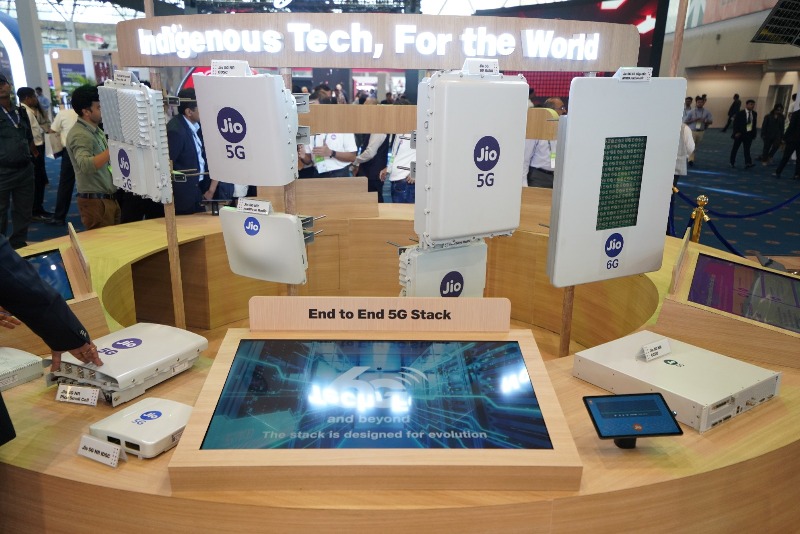
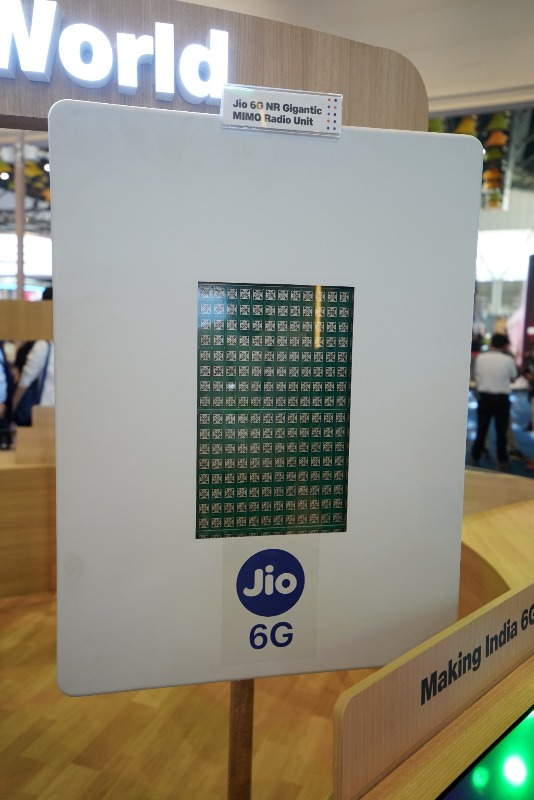
New Delhi, Jio has unveiled its pre-6G technology stack and Giga MIMO Radio,
underscoring its ambition to move beyond providing telecom services and emerge
as a key player in the development of next-generation connectivity
technologies.
Jio said 6G networks
could deliver up to five times the capacity of existing 5G networks while
targeting nearly 10 times lower latency, enabling networks to accommodate
significantly higher data traffic and respond to commands much faster.
 The technology is
expected to support emerging applications such as real-time artificial
intelligence (AI), holographic video, advanced healthcare solutions, digital
education and other data-intensive services that require ultra-fast and
responsive connectivity.
The technology is
expected to support emerging applications such as real-time artificial
intelligence (AI), holographic video, advanced healthcare solutions, digital
education and other data-intensive services that require ultra-fast and
responsive connectivity.
A key attraction at
Jio's IMC showcase is its Giga MIMO Radio, which the company describes as
India's first. The telecom operator has also unveiled a common baseband unit
capable of supporting both 5G and 6G technologies, a move that highlights its
efforts to develop infrastructure for the transition to next-generation
networks.
The company's 6G push
comes amid a global race among telecom operators, equipment makers and
technology developers to influence the architecture and standards of future
wireless networks. Beyond faster speeds and higher capacity, the competition is
increasingly centred on intellectual property, indigenous technology
development and participation in global standard-setting.
Jio said it has filed
more than 8,000 patents, including hundreds related to 6G, and has made over
934 contributions to global standards. These efforts reflect its ambition to
strengthen India's position in the development of future telecommunications
technologies rather than remain solely a consumer of globally developed
systems.
The company expects
6G to make AI-powered services more responsive and effective, particularly in
applications where real-time information and rapid decision-making are
critical. At IMC 2026, Jio highlighted potential AI-led use cases for farmers,
doctors and students, demonstrating how advanced connectivity could support
services across agriculture, healthcare and education.
Jio is also working
towards developing AI-native and quantum-safe networks, with the objective of
integrating intelligent network capabilities with stronger security measures.
AI-native networks are expected to incorporate artificial intelligence more
deeply into network operations, while quantum-safe approaches aim to protect
communications against potential threats posed by advances in quantum
computing.
The company's
strategy extends beyond the deployment of future mobile networks to building a
stronger presence across four key areas — hardware, software, patents and
global standards. By developing capabilities across these segments, Jio aims to
play a greater role in shaping the technologies and intellectual property
underpinning the next generation of connectivity.
Framing its vision around the themes 'India's 6G in the Making' and 'From India to the World', Jio is positioning its research and development efforts as part of a broader push to establish India as a contributor to global telecommunications innovation.
While commercial 6G deployment remains contingent on the finalisation of international standards and the subsequent development of compatible technologies and infrastructure, Jio's latest showcase signals its intent to prepare early for the transition.